What are the Common Depression Symptoms?
Overview of Emotional Symptoms
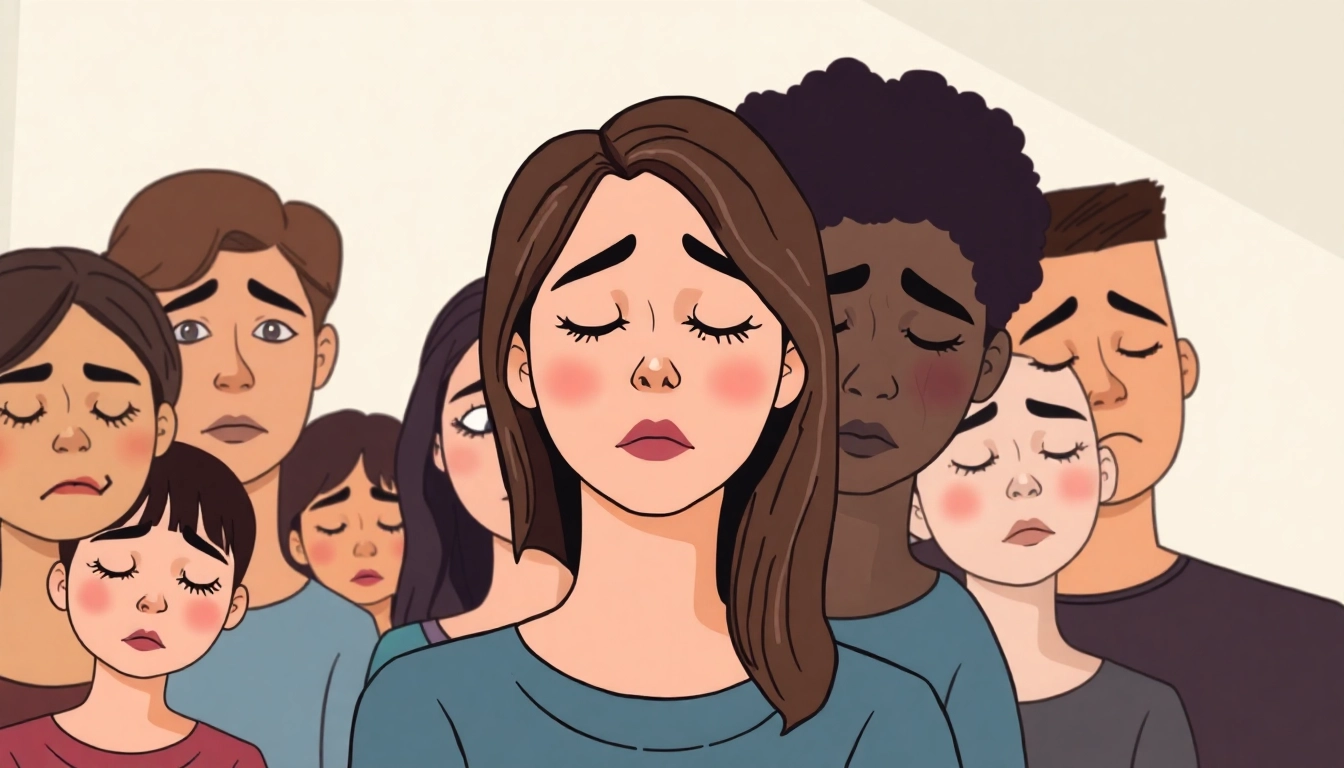
Depression is a complex mental health condition that manifests through various emotional symptoms. Individuals may experience overwhelming feelings of sadness, hopelessness, and irritability. These emotions can lead to a persistent sense of despair, making it difficult for them to engage in daily activities. Feelings of worthlessness and guilt may also arise, often coupled with a lack of motivation or interest in activities that previously brought joy. Understanding these emotional symptoms is key to recognizing depression and seeking appropriate help.
Physical Signs of Depression
The impact of depression extends beyond emotional turmoil; it often presents through physical signs as well. Common symptoms include fatigue, changes in appetite, and sleep disturbances. Individuals may find themselves sleeping excessively or struggling with insomnia. Weight gain or loss can also occur due to changes in appetite. Additionally, physical aches and pains that don’t have a specific medical explanation are often associated with depression, affecting overall well-being.
Cognitive Changes Associated with Depression
Depression can significantly alter cognitive processes. Those suffering from depression may face difficulties in concentrating, making decisions, or remembering information. This cognitive fog can hinder personal and professional lives, making it challenging to perform everyday tasks. Furthermore, recurring thoughts of death or suicide are severe cognitive symptoms that indicate the need for immediate support and intervention.
Recognizing Depression Symptoms in Different Age Groups
Depression Symptoms in Children and Adolescents
Recognizing depression symptoms in children and adolescents can be particularly challenging, as they may not express their feelings openly. Young individuals may exhibit irritability, academic difficulties, or withdrawal from previously enjoyed activities. Physical complaints, such as stomachaches or headaches, can also be prevalent, often as a way to express emotional distress. Early identification is crucial, as untreated depression can lead to significant developmental issues.
Common Symptoms in Adults
In adults, depression can manifest through a variety of signs including persistent sadness, loss of interest, and decreased energy levels. Additionally, adults may show signs of irritability and chronic feelings of hopelessness. Relationship difficulties often arise, as communication becomes strained under the weight of untreated depression symptoms. It’s essential for adults to self-reflect on their emotional state and seek help if these symptoms persist.
Understanding Elderly Depression Symptoms
Elderly individuals might exhibit depression symptoms differently than younger age groups. While they may experience sadness, loss of interest, and fatigue, they are also more likely to exhibit cognitive decline or forgetfulness. Many elders may not recognize their symptoms as depression, attributing them instead to aging. Social isolation and the loss of loved ones can exacerbate their situation, making it critical for caretakers to be vigilant and supportive.
Impact of Depression Symptoms on Daily Life
How Depression Affects Work and Productivity
Depression can have a profound impact on professional life, often resulting in decreased productivity or chronic absenteeism. Individuals may struggle to meet deadlines or engage with colleagues, which can hinder career growth and lead to further isolation. The resultant stress from work-related pressures can intensify feelings of inadequacy, creating a vicious cycle that is hard to break.
Social Withdrawal and Relationship Strain
One of the most significant effects of depression is the tendency for individuals to withdraw from social interactions. This withdrawal can strain relationships with family, friends, and colleagues, potentially leading to feelings of loneliness and isolation. Misunderstandings may arise as loved ones fail to recognize the underlying cause of the person’s withdrawal, further deepening the sense of despair.
Physical Health Consequences of Untreated Symptoms
Untreated depression can lead to a myriad of physical health issues, including cardiovascular diseases, obesity, and diabetes. The stress hormone cortisol can wreak havoc on the body when consistently elevated due to chronic depression. Additionally, individuals may neglect self-care, including exercise and nutrition, leading to a decline in both mental and physical health. This interconnection underscores the importance of addressing depression symptoms comprehensively.
Effective Strategies for Managing Depression Symptoms
Therapeutic Approaches and Their Benefits
Engaging in therapeutic practices is one of the most effective ways to manage depression symptoms. Cognitive Behavioral Therapy (CBT) is particularly effective, helping individuals recognize and change negative thought patterns. Other therapeutic approaches, such as Dialectical Behavior Therapy (DBT) and Acceptance and Commitment Therapy (ACT), also provide valuable tools for coping with depression. Each form of therapy aims to increase resilience and equip individuals with strategies to mitigate symptoms.
Role of Medication in Treating Depression Symptoms
Mood disorders often require medication to improve brain chemistry and regulate mood effectively. Antidepressants, such as SSRIs and SNRIs, can be effective in alleviating severe depression symptoms. It’s critical to consult a healthcare professional to determine the appropriate medication and dosage, as response to treatment can vary significantly among individuals.
Self-Care Practices to Alleviate Symptoms
In addition to formal treatments, self-care practices can play a crucial role in managing depression symptoms. Regular exercise is known to release endorphins, improving mood and reducing feelings of sadness. A balanced diet, adequate sleep, and mindfulness practices such as meditation can also contribute positively to mental health. Setting small, achievable goals can provide a sense of accomplishment that counteracts feelings of helplessness often associated with depression.
Seeking Help: When and How to Get Support for Depression Symptoms
Identifying the Right Time to Seek Help
Recognizing when to seek help for depression symptoms is essential. Signs that indicate it’s time to seek support include persistent feelings of sadness, inability to manage daily responsibilities, or thoughts of self-harm. If symptoms last more than two weeks or interfere with daily life, reaching out for help is imperative.
How to Find a Mental Health Professional
Finding the right mental health professional can greatly enhance treatment outcomes. Individuals can start by asking for referrals from trusted sources such as family or friends, or they can search for local therapists through online directories. It’s essential to choose a provider who specializes in depression treatment, and who uses methods that resonate personally. An initial consultation can help assess compatibility and determine the best course of action.
Support Groups and Community Resources
Complementing therapy and medication with support from groups can enhance recovery. Support groups offer a sense of community, allowing individuals to share experiences and learn from others facing similar challenges. Many communities offer mental health resources, including educational workshops, where individuals can gain knowledge on managing depression symptoms effectively.
FAQs
What are the early warning signs of depression?
Common early warning signs include persistent sadness, loss of interest in activities, and changes in appetite or sleep patterns.
How long do depression symptoms typically last?
Without treatment, depression symptoms can last for weeks, months, or even years. Early intervention often leads to quicker resolution.
Can depression symptoms vary by individual?
Yes, depression symptoms can vary significantly from person to person, depending on individual circumstances and mental health history.
What natural remedies can help with depression symptoms?
Natural remedies may include regular exercise, a healthy diet, mindfulness practices, and social support that enhance overall well-being.
When should I seek professional help for depression symptoms?
If symptoms persist for more than two weeks or significantly impact daily life, it’s important to seek professional help for assessment.